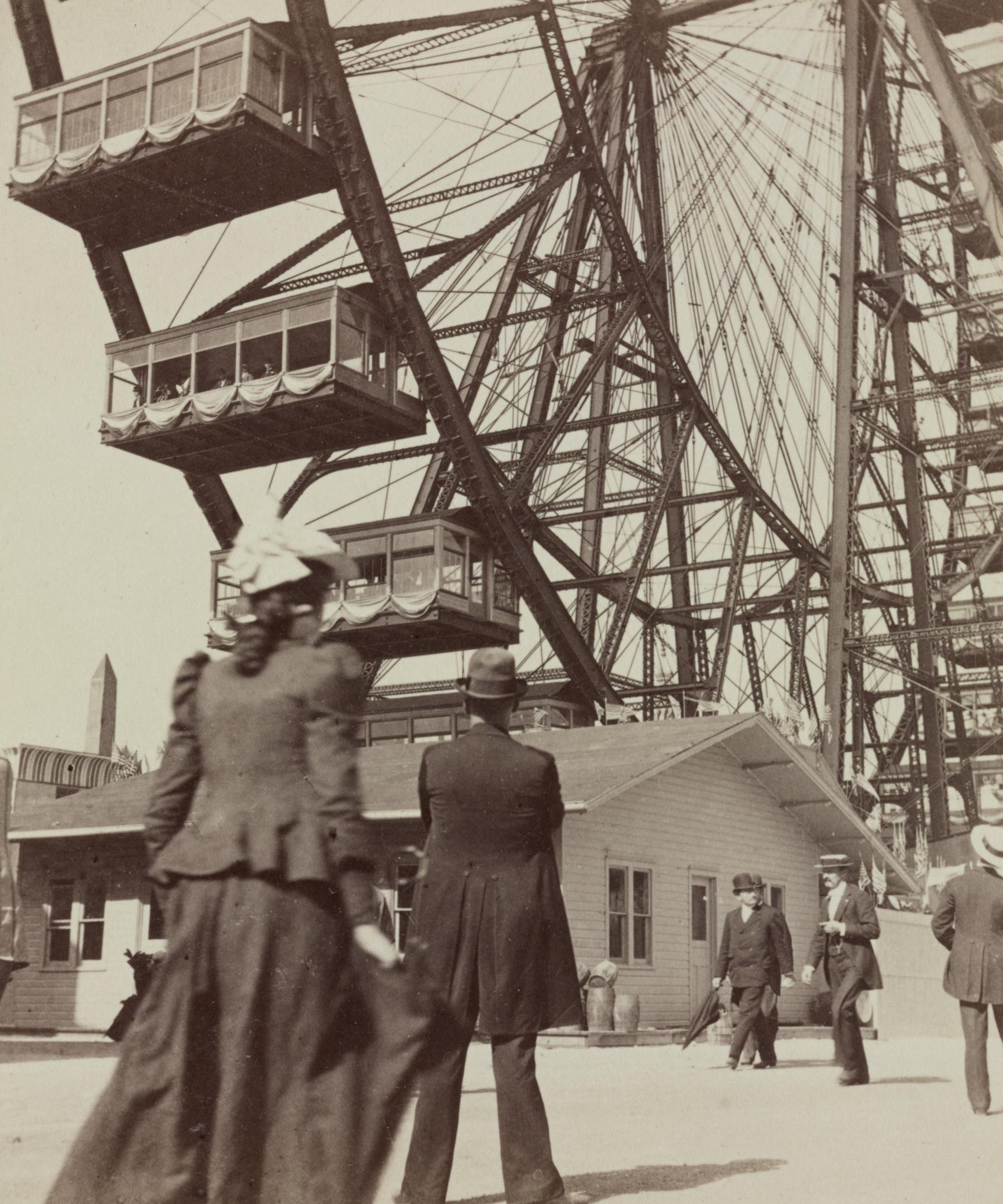
Ferris Wheel Heritage
The Giant Wheel that Conquered Chicago
George Washington Gale Ferris Jr. answered a world’s-fair challenge with a 264-foot machine—and changed the skyline of popular imagination.
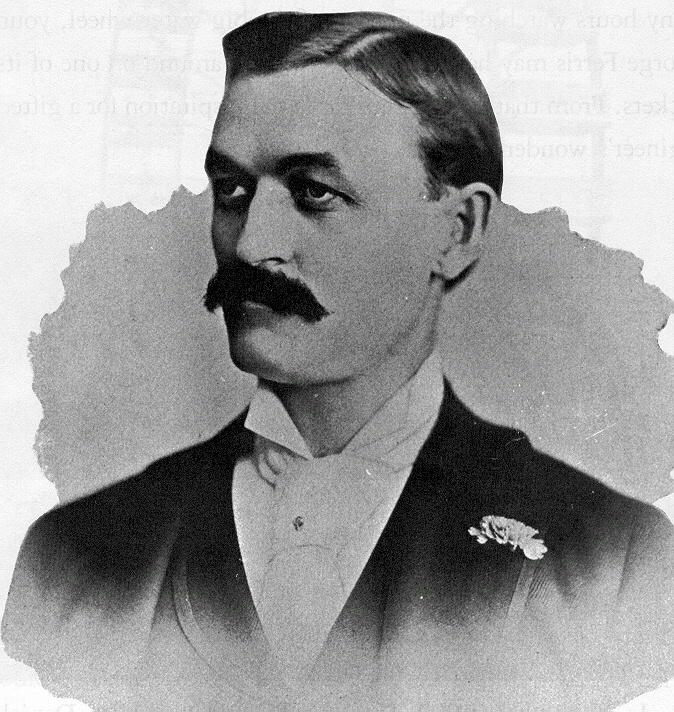
Civil engineer · 1859–1896
He built it like a bridge and moved it like a wheel.
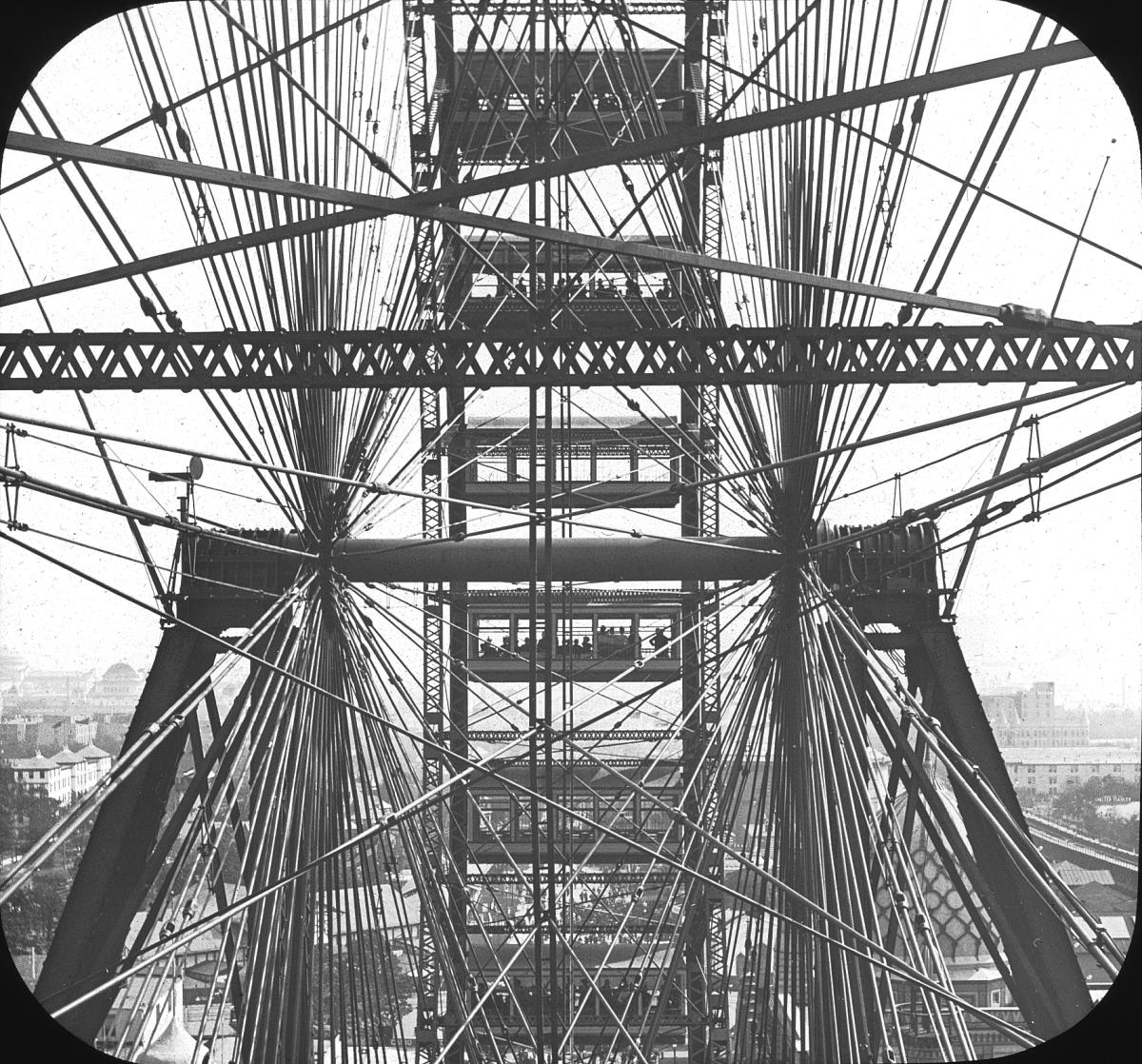
The wheel was an unprecedented structural argument: two steel towers, a forged axle widely reported at the time as the largest ever made—a superlative we have not verified against a primary source—tensioned spokes, thirty-six passenger cars, and a complete revolution high above Chicago’s Midway.
A compressed life · An expansive legacy
From Galesburg to the Midway
Born into the name of his hometown
Ferris was born in Galesburg, the Illinois town founded and named by Rev. George Washington Gale. The family archive records that Silvanus Ferris—Gale’s close ally in founding the town and Knox College—named his youngest son for Gale. The engineer inherited his father’s full name.
Eiffel’s American landmark
French structural engineer Gustave Eiffel completed the Statue of Liberty’s iron interior framework, demonstrating the kind of monumental metalwork that would soon frame Chicago’s challenge.
A Pittsburgh inspection practice
Ferris established G.W.G. Ferris & Company, Inspecting Engineers, in Pittsburgh—testing steel for railroads and bridge builders and building the expertise that would define the wheel.
Paris raises the Eiffel Tower
The Eiffel Tower was completed for Paris’s 1889 Exposition Universelle, becoming the engineering benchmark Chicago’s fair directors would challenge American engineers to answer.
The challenge
Chicago’s exposition sought a feat that could answer the Eiffel Tower. Ferris proposed a giant revolving observation wheel built with the logic and confidence of a bridge engineer.
The wheel turns
Thirty-six enclosed cars, each designed for sixty passengers, carried as many as 2,160 people at once above the Midway at the World’s Columbian Exposition.
A life cut short
Ferris died at Mercy Hospital in Pittsburgh on November 22, 1896, at thirty-seven, after contracting typhoid fever during the rampant waterborne typhoid conditions plaguing Pittsburgh’s waterworks system. Accounts of his estate differ and we have not settled them against a primary source: the linked 1896 Engineering and Mining Journal obituary is a scanned page whose text we could not read, so the often-repeated claim that he died penniless is recorded here as reported rather than as established.
The record continues
History becomes more useful when you can question it.
The Ferris Archive connects the engineering story to the documented family line and the source material gathered by James Gary Ferris.
Ask the Ferris Archive